


I have received many questions about counting calories, so I thought I would share my thoughts after using both approaches in my personal journey to health. In general, I do think that counting calories, especially at first can be beneficial for someone who is just starting to read nutrition labels and get familiar with their bodies needs. However, I always suggest that the ultimate goal to aim for is to listen to your body, rather than counting calories long term.
Counting calories in the beginning of a weight loss journey can be helpful because you can get a realistic sense of how to space out calories throughout your day to best fuel your body, and you get familiar with portion sizes in general. On the other hand, when it comes to maintaining this long-term, counting calories really isn’t realistic, and it can even become obsessive if taken to the extreme.
I personally found that counting calories for about a month in the beginning of my journey worked well for me, because it allowed me to get familiar with how to space calories out throughout my day in a way that made me feel energized throughout the day. After becoming ‘familiar’ with proper portion sizes, I decided to stop tracking calories and start to listen to my body’s natural hunger cues.
Although I don't track calories anymore, I still pay attention to the amount of calories, fat, sugar, carbohydrates, and protein in the foods I am eating. However, this is more about being informed and aware of what I am putting in my body. For example, something may seem healthy, especially with all of the tricky labels out there, but if you don’t pay attention or do any planning on your part, you could easily end up taking in a lot of calories, fat, and sugar without even realizing it.
So, although I am aware of what I am eating, I don’t keep a running total of calories for the day on paper, or in general. Here are a few reasons why I don’t count calories:
1. Eating out, and eating with friends and family can get tricky. In general, if you are tracking food and you don't know how many calories, points, etc. are in something, this can lead to anxiety… Or even a ‘bingeing’ mentality, when you throw all care out the window because you don’t know what to write down. Instead, when I am at a get-together, I try to pick the healthiest choices that I see and make it my goal to focus more on enjoying the people I’m with rather than on the food. If I do pick a dessert or something that I know isn’t so healthy, then I stick to one portion, and really spend time enjoying each bite, or I share it.
2. If you count calories, you can actually over eat. If you count calories, then chances are you will feel like you need to finish every single bite, even if you are truly full, in an effort to track the calories properly! This is a bit crazy if you think about it, because God really did put a signal inside each one of us to tell us we are satisfied for a reason! When I was first learning to pay attention to my body, I would take a few bites, put my fork down, and really pay attention to how I felt. Then, when I felt like my stomach was satisfied, I stopped, and saved the rest for later. Sure, it was tough to do this at first, and it does take practice (and prayer) in the beginning, but eventually you will be so in tune with your body, you won’t even have to think twice about it!
3. It can lead to bingeing. For me personally, counting calories led to binges when I let myself have a day off of counting. This was most likely because I felt like I had to use the 'freedom from tracking' to it’s fullest by eating whatever came across my path. Again, this is not entirely logical if you think about it, because there will always be another chance to eat any certain type of food again. However, on the days that I wasn’t counting calories, I felt as though I had to eat everything like it was my last chance to eat, knowing that the very next day I was going to be back to tracking.
Those are just a few of the reasons I don’t advocate counting calories long term. On that note, I will say that everyone is different, and everyone has different things that work for them. So, all that being said, if tracking is what works for you! In general, I would say that it is better to have some kind of plan than no plan at all!
A realistic way of incorporating all that I have just discussed would be to start counting calories for about a month or so, just so that you can get an idea of how much to eat, and become familiar with composing meals that are a good balance of protein and fiber to keep you satisfied. There are a couple ways you can do this, but you may want to start by using My Fitness Pal, (which is a free website/i Phone app that has all Dashing Dish recipes already plugged in), or Weight Watchers, (which my recipes also include).
With that foundation established, you should be able to move onto truly listening to your body, and eating until you are satisfied. Like I said, this may seem ‘strange’ at first, but that is how God created our bodies to function! He gave us the ability to know when we are hungry, and full, so we would eat only what our bodies truly need! Also, with this approach, I find that it is easier to put the focus on eating healthy and nutritious foods rather than all the numbers.
When combined with the main principals of healthy eating, (limiting amount of processed foods and sugar, trying to get a good balance of protein, fiber, and healthy fats with meals, and filling up on healthy snacks in between meals), you should be able to maintain a healthy weight in a way that is sustainable for life!
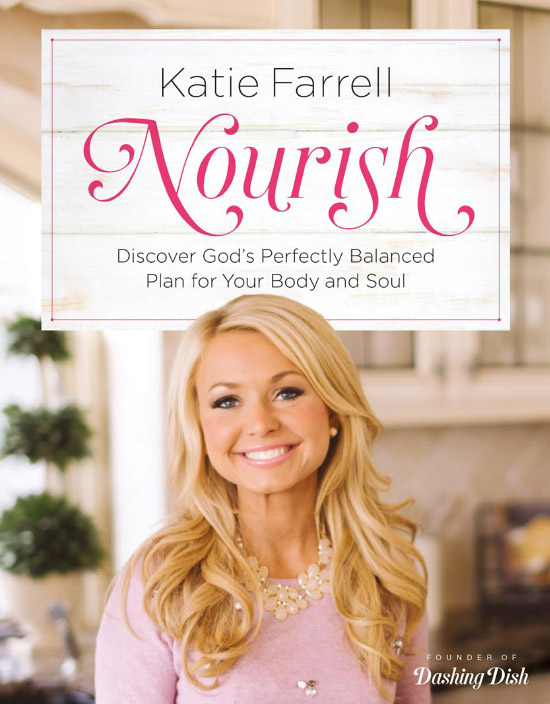
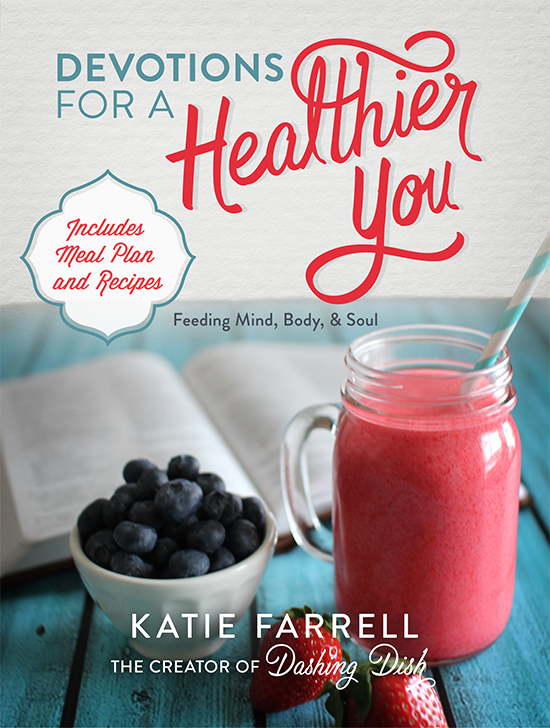

on this blog post
More Comments Loading...I'd love to hear your thoughts!