


“How can I get more motivation?” It’s a question we hear from others and often find ourselves asking when it comes to health, nutrition, and fitness goals. We feel like if we just had more motivation, everything would be so much easier!
We like motivation because it feels good. It is true, motivation is a useful tool, however, we cannot rely on it solely over the long-term. What success ultimately boils down to is staying consistent in our progress toward our goals—even when we don't necessarily feel like it.
It requires doing a little mindset work and a commitment to long term behavior change, but there are ways to stay consistent with healthy habits even during the times when motivation is low. As long as you are willing to take the long term approach, that is good news. So with this in mind, here are 6 ideas for staying on course for your goals, even when you find your motivation to be wearing thin.
1. Have A Plan
Nothing derails your goals faster than not being prepared. Spend a little bit of time planning out your meals and workouts for the week. Make sure you include foods you actually enjoy eating and look forward to. As evidenced by the recipes found on Dashing Dish, eating healthy does not require deprivation!! When you have meals that you enjoy planned and prepared and when you know which workout you’ll be doing for the day, it will be easier to stay on track. I know that I’m less likely to deviate from my good choices when the healthy ones are prepped and available. I hate for food to go to waste, so this is another way that meal prepping helps to keep me accountable with healthy eating.
It’s easier for me to get going with my workout when I know what I’m doing in advance. I get more excited about my workout when I know which exercises I am doing and imagine myself killing it the next day! I also get my workout clothes ready and laid out for my workout the night before. It may seem simple, but depending on what workout I have planned, I may need different equipment, accessories, or shoes. I get super stressed about not having what I need if I am looking for it at the last minute. I don't want to spend valuable workout time digging through my gym bag for my iPod band when I am ready to go for a run, or rummaging through clothing drawers for something appropriate to wear to the gym when I am ready to walk out the door! You'll find that you'll be less likely to bail on your plans if you remove any barrier to getting going.
It can also be helpful to plan ahead for unforeseen problems that could throw you off track. Even when you are perfectly prepared, something is bound to happen every now and then. Maybe you can't follow through on your initial plan or what you feel like is the best possible choice, but what can you do instead?
2. Just Take Action
Even when you don’t feel like it. Especially when you don’t feel like it. Taking action, regardless of how you feel (i.e. even if motivation isn't there) always puts you back in a place of power and feeling empowered. Bonus—it almost always produces motivation in the process! That bit of motivation acts like a battery charge which provides that temporary boost of positive emotion we enjoy. But remember that action still comes before the emotion.
To begin, it helps to start with finding your "why" and work backwards until you reach a place where you can take action. Usually the most compelling "why" will be something of intrinsic value (like feeling better, having more energy, getting a happiness boost, and so on), rather than an external one (like losing weight, "fixing" a trouble spot, etc.) and one which continues long term (versus one which has and end date or clear finish line).
3. Create Momentum
What works better than motivation? Momentum! How do we achieve momentum? Habits! Habits form by repetition and consistency. Habits also help protect us from draining our willpower. When we have an automated routine, we don’t spend our mental energy on decision making. The more time spent on decisions, the more mentally drained we are as the day progresses. This leaves us more susceptible to ditch our healthy behaviors and turn to activities that provide comfort instead. The less time we spend making decisions, the less exhausted we are, and the more likely we will be to maintain good decision making when necessary at the end of the day. There is a real reason why making healthy choices is easier at the beginning of the day than the end! Fatigue itself will impair our decisions, but we also have a finite amount of willpower each day, and once it is exhausted (once the “willpower battery” is drained) it becomes very difficult to white knuckle our way through healthy choices. Habits help keep us going without relying willpower. That in turn helps create momentum which carries us further toward our goals without expending additional energy.
4. Connect Healthy Behaviors To Your Identity
Anything that we repeat often enough eventually starts to become associated with who we are (it becomes part of our identity). Most of us have an idea of what our core values are. If not, I encourage you to take some time to consider what your core values are. Make sure to write them down, not just think about them. Creating a list is important for several reasons. First, you'll have it to refer back to later on. You can edit it as time goes on and as you learn and grow. Writing them out also helps to bring clarity of purpose and deepens your connection of your values with your identity. Many people choose to place the list in a location that they see daily as a reminder.
Most of us understand the importance of running big decisions through the filter of our core values, but not all of us use our core values as a way to filter our decisions when it comes to our health. This can be a very useful tool in maintaining consistency when it comes to your health and goal setting. It is easier to align what you do (your behaviors), with a set of values. Bottom line: decide what health values you hold and get intentional about finding a way to tie them to your core values through behaviors you can practice routinely. As a result of linking your goal to your identity, it becomes less of a chore to act in alignment with those behaviors.
5. Surround Yourself With Like-Minded People
Be protective of who you allow to speak into your life in the areas of health. Be intentional about creating healthy relationships that challenge you to grow in the area of health, much in the same way you choose relationships that challenge you to grow spiritually, intellectually, and so on.
6. Accountability
Know what method of accountability works best for you. Are you the type of person who can set your own expectations and meet them, or do you need someone else to hold you accountable for follow through on taking steps toward meeting your goals? Some people find it very easy to follow through on their own, and may even become less motivated if they feel like someone is pestering them by checking in. Other people can never seem to follow though if their only responsibility is to themselves. They do better to know that their actions matter to another person and get highly motivated by not wanting to let someone else down.
I hope these strategies provided some practical and actionable ideas that you can implement to strengthen your journey toward your health goals!

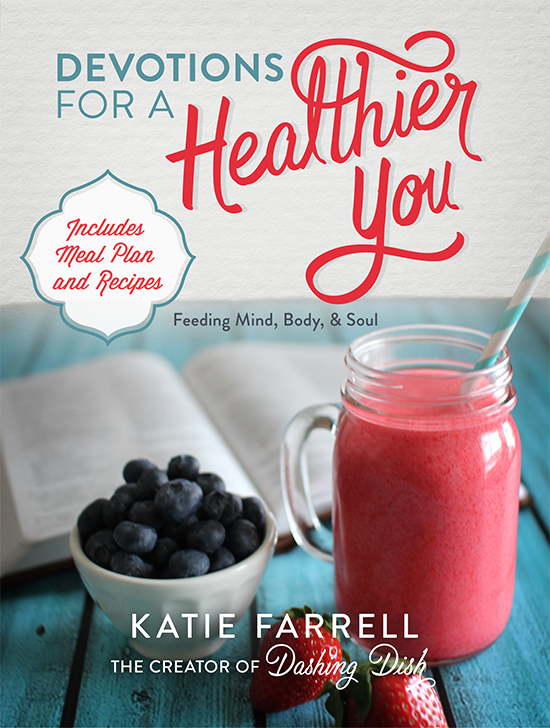

on this blog post
More Comments Loading...I'd love to hear your thoughts!